hello, welcome to guangzhou qingqin yu official website!


NEWS
News
Contact Us

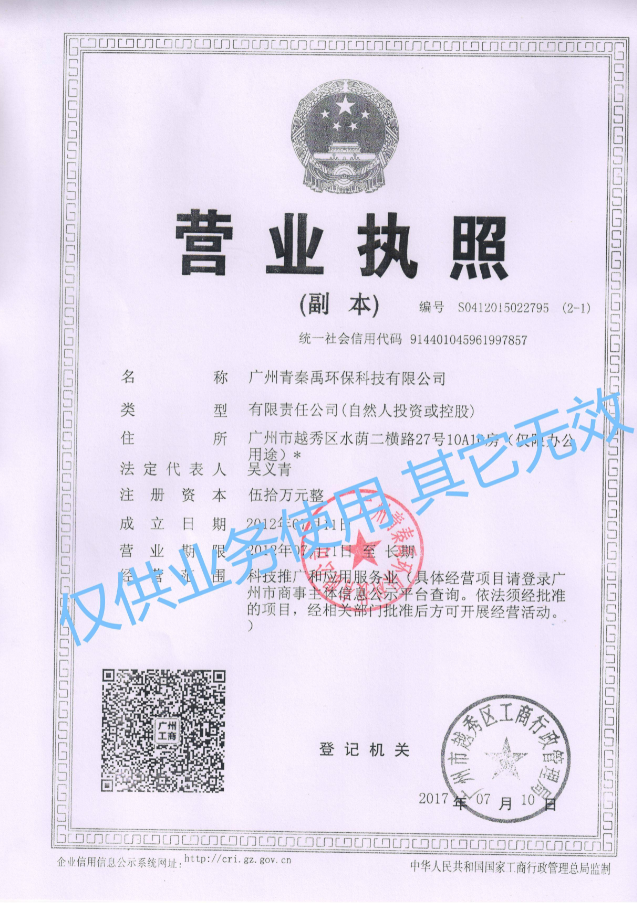
Guangzhou Qing Qin Yu Environmental Protection Technology Co., Ltd.
Sales Center: Room 1010, South Tower, Xindacheng Plaza, 27 Erheng Road, Shuiyin Road, Yuexiu District, Guangzhou
Fax: 020-38989166
What are the performance differences between epoxy flooring and cured flooring?
Release time:
2023-11-10 17:56
The performance comparison between epoxy flooring and cured flooring is as follows:
I. In terms of mechanical performance overall, epoxy flooring significantly falls short compared to concrete sealer and hardener flooring, exhibiting inferior wear resistance, compressive strength, and impact resistance. In environments involving high-intensity operations, epoxy floors are prone to issues such as peeling and scratching, and even the deep black marks left by forklifts can be difficult to remove. On the other hand, concrete sealers and hardeners deliver outstanding mechanical performance, boasting a Mohs hardness rating as high as 7 to 8—making them virtually impervious to most impacts and heavy碾压. As a result, common industrial vehicles like pallet trucks and forklifts leave absolutely no scratches or tire marks on hardened concrete floors.
II. Chemical Performance Comparison Epoxy flooring boasts higher chemical stability and stands out as one of the most effective flooring materials in terms of barrier properties, capable of reliably blocking off substances like water, acids, alkalis, gasoline, and lubricants over extended periods. In contrast, concrete sealer and hardener flooring offers slightly lower barrier performance compared to epoxy flooring, effectively preventing most common contaminants such as water, acids, alkalis, oils, juices, stains, and even algae. However, acidic substances should be cleaned promptly, as prolonged contact may leave behind visible marks.
III. Thanks to its robust barrier properties, epoxy flooring boasts excellent waterproof, moisture-proof, and anti-seepage capabilities, making it a superior alternative to traditional waterproof flooring materials. However, once scratched, its waterproof performance tends to decline sharply. On the other hand, concrete sealers—though not strictly classified as waterproof materials—still offer impressive water-, seepage-, and moisture-resistant qualities. In the industry, their waterproof ability is often measured by the 24-hour penetration reduction rate, and based on relevant data, we can clearly see that these sealers deliver reliable waterproof performance.
4. In terms of aesthetics, epoxy flooring uses epoxy resin—a paint-like material—that results in a notably glossy finish. On the other hand, concrete sealer and hardener flooring incorporates floor polishing techniques, creating a distinct mirror-like surface that conveys a sense of robust durability.
5. In terms of safety and environmental protection, concrete sealers and hardeners are water-based inorganic materials that are completely non-toxic and harmless, making them perfectly safe for use in home renovations. While epoxy resins themselves are non-toxic, the curing agents used with them—such as MDA, TDI, and MDI—are carcinogenic substances that can linger within the epoxy flooring and gradually evaporate over time. In fire safety, concrete sealers and hardeners boast the highest fire-resistance rating—Class A1—providing top-notch protection against flames. In contrast, epoxy resins lack inherent fire resistance and may even ignite under high-temperature conditions. Regarding antistatic properties, certain types of epoxy flooring, specifically those formulated as antistatic epoxy resins, effectively prevent static buildup. Meanwhile, concrete sealers and hardeners, when applied directly without any additional epoxy-based treatments, can achieve antistatic performance simply by incorporating antistatic cement mortar during installation.
Six, Service Life As the saying goes, "Success and failure both stem from Xiao He," epoxy flooring is renowned for its exceptional barrier properties—but precisely because of this strength, its lifespan is often compromised. Due to its poor breathability, moisture rising from beneath the floor can easily lead to issues such as hollowness and cracking in the epoxy coating. Typically, epoxy flooring lasts 2 to 3 years; however, lower-quality products may degrade even faster, lasting only 1 to 2 years, resulting in higher depreciation costs. In contrast, concrete sealers and hardeners offer a service life that can extend up to 20 to 30 years—though this is still a conservative estimate. With proper maintenance, these floors can potentially last nearly indefinitely, matching the lifespan of the building itself.

Related News

WeChat Public Number

Business Contact
WeChat Public Number
Business Contact
Copyright©2023 Guangzhou Qing Qin Yu Environmental Protection Technology Co., Ltd.