hello, welcome to guangzhou qingqin yu official website!


NEWS
News
Contact Us

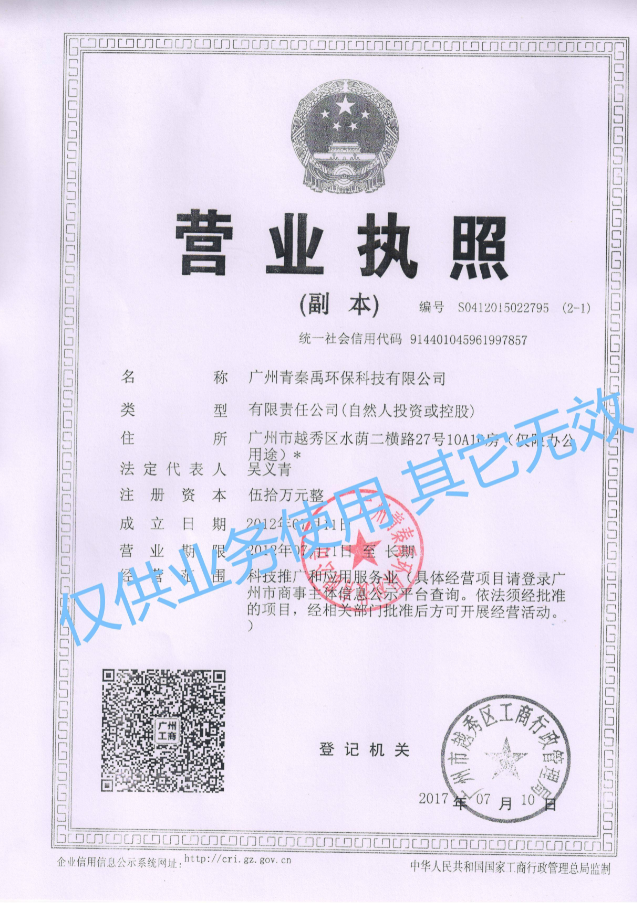
Guangzhou Qing Qin Yu Environmental Protection Technology Co., Ltd.
Sales Center: Room 1010, South Tower, Xindacheng Plaza, 27 Erheng Road, Shuiyin Road, Yuexiu District, Guangzhou
Fax: 020-38989166
Under the backdrop of high-quality development, how will the road and bridge industry evolve?
Release time:
2023-11-10 16:39
In the inaugural year of the 14th Five-Year Plan, China’s economy has entered a stage of high-quality development. Shifting the economic growth model, optimizing the economic structure, and transitioning the drivers of economic growth—moving from a focus on mid-to-low-end industries toward mid-to-high-end ones—will remain the central theme of economic development for the foreseeable future. As the marginal effectiveness of investment in boosting the economy gradually declines, coupled with the introduction of the new "dual-circulation" development paradigm, China’s economic growth is steadily shifting its momentum from investment-led to consumption-driven. Consequently, the construction industry can expect an inevitable further slowdown in investment growth going forward.
As an essential component of the construction industry, the road and bridge engineering sector plays a critically important role in ensuring the smooth operation of all key economic activities—production, distribution, allocation, and consumption—while also safeguarding the sustained, rapid, and healthy development of the national economy. Moreover, it contributes significantly to improving people's living standards and advancing the modernization of national defense. However, with the continuous expansion and improvement of high-speed highway networks and major national and provincial roads, the market space for the road and bridge industry is under growing pressure, leading to increasingly fierce competition.
In the future, there are five major trends driving the development of the road and bridge industry:
First, extending the industrial chain and pursuing related diversification are effective strategies for overcoming growth bottlenecks. The expansion across the industry chain—from upstream raw material extraction and manufacturing to downstream sectors like real estate, operations, and EPC general contracting—encompasses multiple stages. Meanwhile, related diversified development is primarily extending into areas such as rail transit, water resources, environmental protection, and infrastructure maintenance projects.
Second, industry concentration continues to rise, further intensifying market competition. The construction industry has low market concentration and a large number of players. However, as the industry becomes increasingly market-oriented—and further impacted by the deteriorating international environment—large and medium-sized enterprises such as central state-owned enterprises and provincial state-owned firms are starting to expand into urban and underground markets, aggressively seizing regional opportunities. As a result, factors that previously hindered the industry from breaking through geographical barriers are gradually weakening, leading to a more pronounced trend of cross-regional competition. Consequently, market concentration in the industry is expected to continue rising.
Third, the growth potential in eastern markets is limited, while western markets offer greater room for development. The western region has a lower road network density, but thanks to supportive policies such as the nation's Western Development Strategy and the Belt and Road Initiative, infrastructure investment in the west is steadily increasing—and the region has become a key focus area for domestic highway construction.
Fourth, smart transportation has become a new highlight in the development of highway construction. Driven by technologies such as ultra-high-speed wireless LAN and 5G mobile communications, smart transportation is set to experience tremendous growth in the future.
Fifth, the qualification reform has spurred road and bridge enterprises to enhance their market-oriented approach and overall competitiveness. 2020 In March, the "Administrative Measures for Engineering Cost Consulting Firms" and the "Administrative Measures for Registered Cost Engineers" proposed lowering the qualification thresholds for cost consulting firms. In July 2020, the Ministry of Housing and Urban-Rural Development released the "Framework for Qualification Standards of Construction Engineering Enterprises (Draft for Comments)," suggesting a significant reduction in the number and levels of enterprise qualifications. This move to lower entry barriers in the construction engineering sector will further encourage road and bridge enterprises to shift away from their traditional mindset of "waiting, relying, and demanding," ultimately helping them genuinely enhance their construction capabilities, technical expertise, and management skills.

Next Page
Next Page
Related News

WeChat Public Number

Business Contact
WeChat Public Number
Business Contact
Copyright©2023 Guangzhou Qing Qin Yu Environmental Protection Technology Co., Ltd.