hello, welcome to guangzhou qingqin yu official website!


NEWS
News
Contact Us

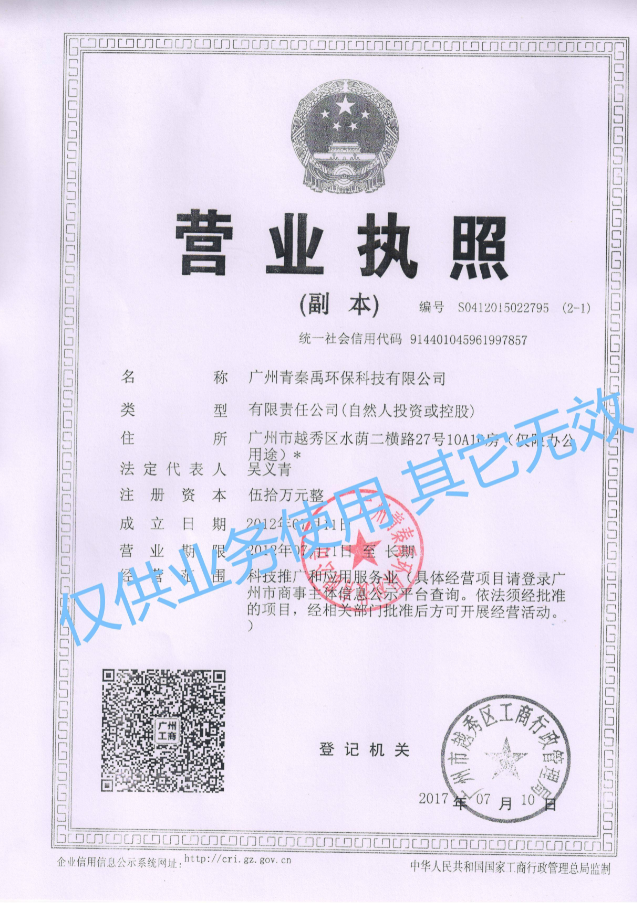
Guangzhou Qing Qin Yu Environmental Protection Technology Co., Ltd.
Sales Center: Room 1010, South Tower, Xindacheng Plaza, 27 Erheng Road, Shuiyin Road, Yuexiu District, Guangzhou
Fax: 020-38989166
The application prospects of the road mixing machine
Release time:
2025-08-15 21:29
Road mixing machines (typically referring to equipment used in road construction, such as stabilized soil mixers and asphalt mixers) play a crucial role in infrastructure development, with their future prospects closely tied to urbanization processes, environmental regulations, and technological upgrades. Below is an analysis of their potential applications:
1. Market demand-driven
-
Urbanization and Infrastructure Investment :
Global urbanization is accelerating, particularly in developing countries such as China, India, and Southeast Asia, driving demand for new road construction as well as road expansion and upgrades—and in turn boosting the growth of the concrete mixer market. Meanwhile, transportation infrastructure investments outlined in China’s 14th Five-Year Plan, along with India’s ambitious Bharatmala highway project, will continue to fuel this demand. -
Increased maintenance needs :
Developed countries (such as Europe and North America) have strong demand for the repair and renovation of aging roads, creating significant potential for the application of mixers in pavement recycling technologies like cold recycling and hot recycling. -
Rural Road Construction :
Improving rural road networks in emerging economies—such as China's "Rural Revitalization" policy—requires small, flexible mixing equipment.
2. The Trend of Technological Upgrades
-
Intelligence and Automation :
-
Unmanned mixers and remote monitoring systems (which use IoT to monitor equipment status and construction quality in real time) are gradually becoming more widespread.
-
Intelligent control optimizes the mixing ratio, enhancing material utilization and improving pavement durability.
-
-
New energy transformation :
-
Electric or hydrogen-powered mixers reduce carbon emissions, aligning with the "Dual Carbon" goals of Europe, the U.S., and China—and their demand is particularly significant in environmentally sensitive urban areas.
-
-
Multifunctionalization :
-
Integrated equipment (such as mixing + paving) can enhance construction efficiency and reduce labor costs.
-
3. Driven by Environmental Policies
-
Green Construction Requirements :
-
The high energy consumption and high emission issues of traditional asphalt mixers are driving the need for technological upgrades, making low-emission equipment—such as those powered by natural gas or electricity—increasingly mainstream.
-
The application of recycled materials (such as the reuse of waste asphalt mixtures) requires mixers to support high-proportion recycling processes.
-
-
Noise Control :
-
Urban nighttime construction demands are driving the development of low-noise models.
-
4. Regional Market Differences
-
Developed countries :
Focusing primarily on equipment upgrades, with an emphasis on environmental protection and智能化 (such as high-end models from Germany's Wirtgen and Caterpillar of the United States). -
Developing countries :
More emphasis is placed on cost-effectiveness and adaptability (for example, the export growth of medium- and small-sized mixers from China's XCMG and Sany in Africa and Southeast Asia).
5. Challenges and Risks
-
High initial costs :
New energy sources or smart devices are expensive, which may affect the purchasing intentions of small and medium-sized construction enterprises. -
Technical Barriers :
Operating and maintaining intelligent equipment requires higher-level skills, placing demands on workforce training. -
Raw Material Fluctuations :
Fluctuations in asphalt and steel prices could impact equipment manufacturers' profits.
6. Future Growth Areas
-
Special Scenario Applications :
-
Customized mixers designed for extreme environments such as plateaus and frigid regions—like those used in China's Qinghai-Tibet Plateau highway project.
-
Emergency repair equipment (such as modular, rapidly deployable mixers).
-
-
Industrial chain extension :
-
Leasing services, used equipment marketplace—especially ideal for SMEs with limited capital.
-
Combined with BIM (Building Information Modeling), it enables digital management of the entire construction process.
-
Conclusion
The outlook for road mixers remains optimistic overall, driven primarily by global infrastructure demand, environmental policies, and technological innovation. Companies should focus on the following areas:
-
R&D Investment : Focusing on intelligent technologies and new energy solutions;
-
Market Positioning : Offering differentiated products tailored to different regions;
-
Service Transformation : Shifting from selling equipment to providing "equipment + service" solutions.
As sustainable development and the smart city concept deepen, efficient and environmentally friendly mixers will become the mainstream choice for future road construction. 


Next Page
Next Page
Related News

WeChat Public Number

Business Contact
WeChat Public Number
Business Contact
Copyright©2023 Guangzhou Qing Qin Yu Environmental Protection Technology Co., Ltd.